Measure the spot first
Round labels go on lids and rectangles go on the front. For a lid, measure the flat centre only. The rim curves down, and a label that reaches it lifts at the edge, so choose a round label a few millimetres smaller than the flat area.
For the front of a jar, measure the straight band of glass between the shoulder and the base. A rectangle wraps a cylinder without trouble when its long side runs around the jar. On a jar that tapers, a tall label creases, so keep it short.
Which sheet fits which spot
| Where it goes | Sheet | Label size | Labels per sheet |
|---|---|---|---|
| Small lids, spice jars | 5293 | 1-5/8 in round | 24 |
| Small lids, spice jars | L7780 | 40 mm round | 24 |
| Larger lids | 22807 | 2 in round | 12 |
| Larger lids | 5294 | 2-1/2 in round | 12 |
| Larger lids | L3416 | 60 mm round | 12 |
| Spice tins, shelf edges | 5195 | 1-3/4 × 0.66 in | 60 |
| Spice tins, shelf edges | L7651 | 38.1 × 21.17 mm | 65 |
| Jar and canister fronts | 5160 | 2-5/8 × 1 in | 30 |
| Jar and canister fronts | L7160 | 63.5 × 38.1 mm | 21 |
Each template uses the label size, margins and spacing published for that sheet. Open one to see the full measurements.
What to write on it
The name, large, and at most one detail under it. Useful details are the date you filled or opened the jar, a best-before date, or the variety: smoked, ground, whole. A second line of ingredients or instructions shrinks everything, and nobody reads it on a shelf.
Write dates so they can’t be misread. 03/04 means March 4 in the US and 3 April in most other countries; “4 Mar 2026” reads the same everywhere.
The maker picks the largest text size that fits, up to the limit you set, and can make the first line bold. On round labels it keeps the text inside the square that fits in the circle, so words don’t run into the curved edge. If a name is too long for its label, it tells you which label to shorten.
A different name on every jar
Choose “A different label for each entry” and type the labels with a blank line between them:
Paprika
Smoked

Cumin
Ground

Bay leaves
Whole
Or keep the list in a spreadsheet, the name in one column and the detail in the next, and paste the rows. Each row becomes a label. A list longer than one sheet carries on to the next page, and “Start at label” lets you use up the empty spots on a sheet you have already started.
Water, oil and washing up
Paper labels printed on an inkjet can smear when they get wet, and oil soaks into paper. For jars that get handled with wet hands or washed, look for waterproof film labels made for your kind of printer. Stick labels on clean, dry glass: a jar straight out of the fridge gathers condensation and the label won’t hold.
Printing jar labels one at a time
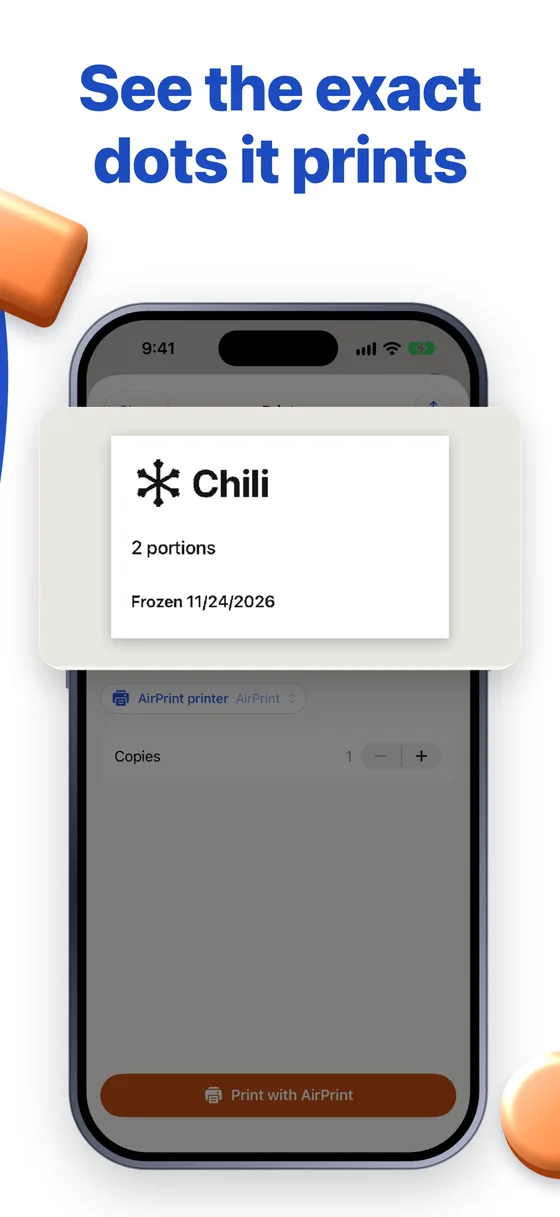
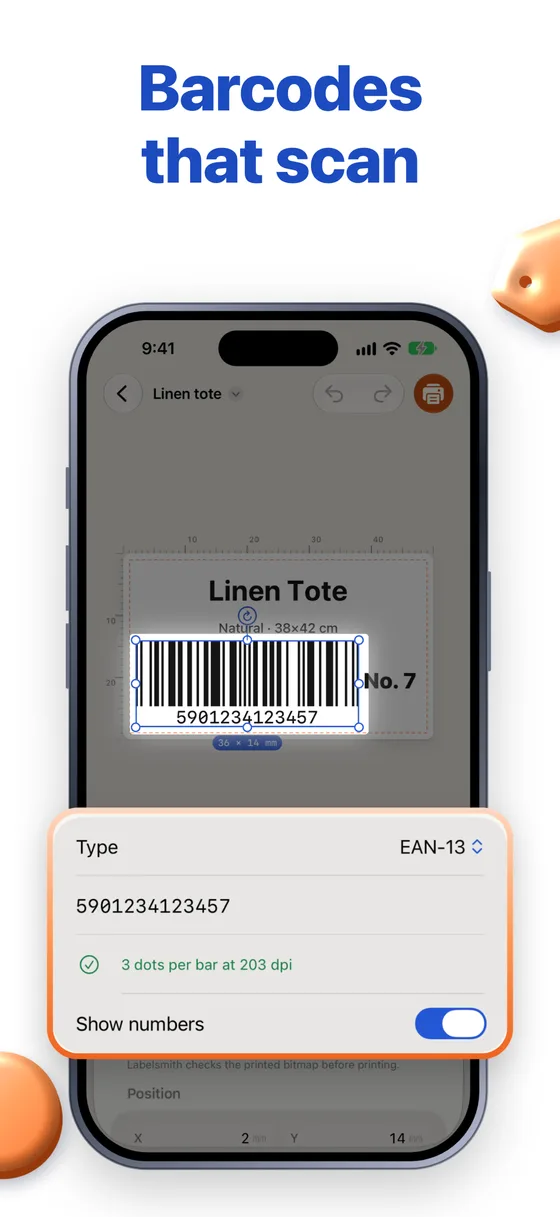
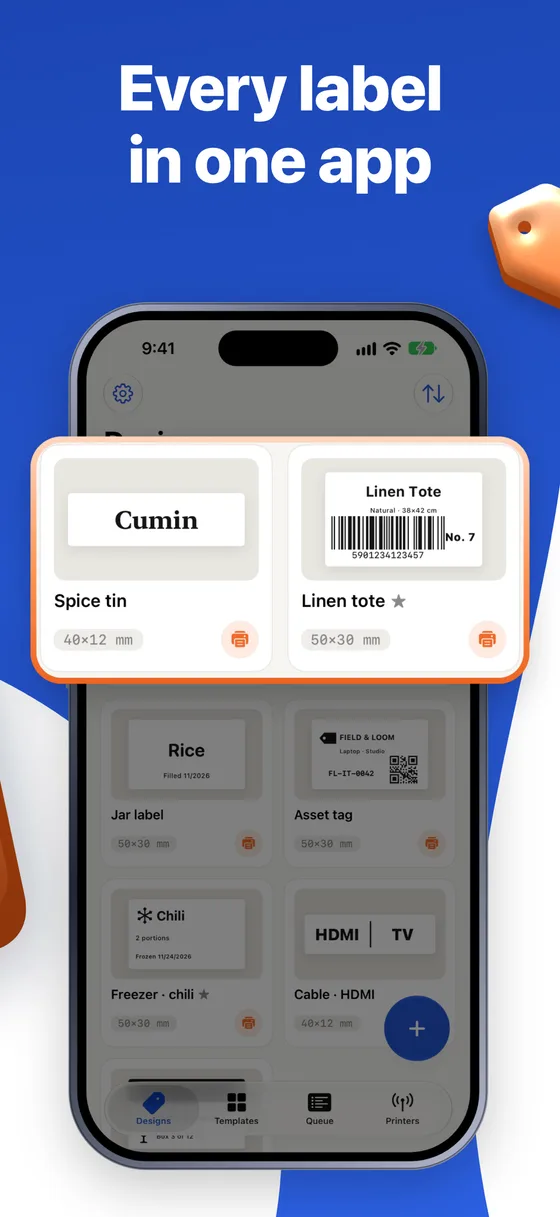
If you label jars as you refill them, one label at a time is easier than a sheet. Labelsmith on iPhone and iPad prints to NIIMBOT and Phomemo Bluetooth label printers and to AirPrint printers. Its pantry templates cover jars, spice tins, best-before labels, bulk bins with an “Opened” date that fills in when you print, round jar lids and spice rack strips, and there are freezer templates for meals and portions. Some templates are free; Labelsmith Pro unlocks all of them.